
AMC Voyager Q1|2026
Understanding marine contracting and offshore EPCI
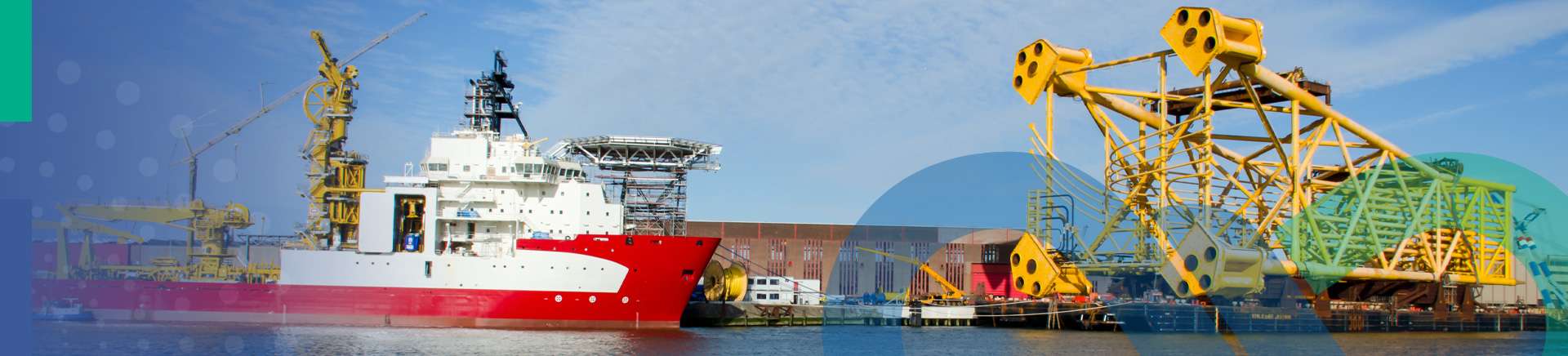
In the offshore energy sector, marine contractors such as AMC play a critical role in turning engineering design into physical infrastructure at sea. While much of the planning and fabrication takes place onshore, it is the marine contractor who ensures that these assets are safely transported, installed and integrated offshore.
At its core, a marine contractor is responsible for the execution of offshore works. Marine contractors also play a key role in managing and coordinating offshore execution as part of an integrated project delivery model, ensuring that engineering, procurement and installation activities are aligned. This includes the transportation and installation of structures, such as jackets and topsides, as well as subsea infrastructure including pipelines, cables and associated systems. Using specialised vessels and experienced offshore teams, marine contractors plan and deliver complex operations in environments where precision, coordination and safety are essential.
What does EPCI mean?
Many offshore projects are delivered under an EPCI (Engineering, Procurement, Construction, and Installation) model, often with fabrication partners. This approach brings together all phases of a project under a single, integrated delivery framework.
Engineering focuses on embedding offshore installation requirements into early-stage design, developing installation methodologies and ensuring that offshore execution is considered from the outset. Procurement involves sourcing the required equipment, vessels and specialist services. Construction typically takes place onshore and, in AMC’s case, is done by a contracting partner, who fabricates and prepares structures for load-out onto vessels or barges, ready for sailing offshore. Installation is done offshore, where these components are installed at sea in accordance with engineering specifications.
By integrating these stages, EPCI projects aim to improve coordination, reduce risk and ensure that offshore execution aligns with the overall project design.
What work does a marine contractor undertake?
Marine contractors can deliver a broad range of offshore scopes, including full engineering, procurement, construction and installation (EPCI), depending on the project and client requirements. This means they are involved not only in offshore execution, but also in the engineering of installation methodologies and the procurement of key equipment, vessels and services.
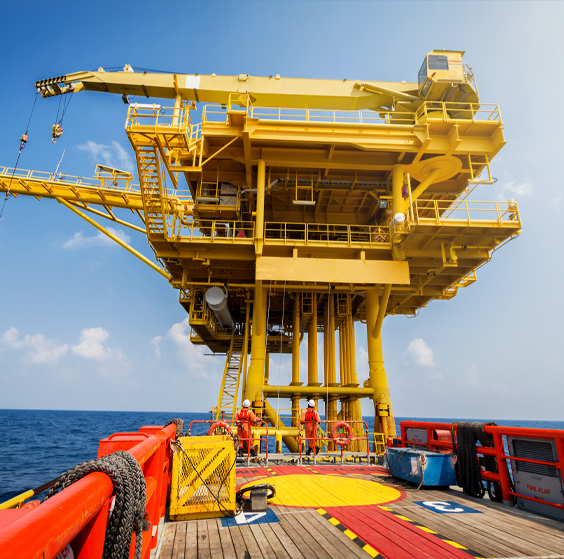
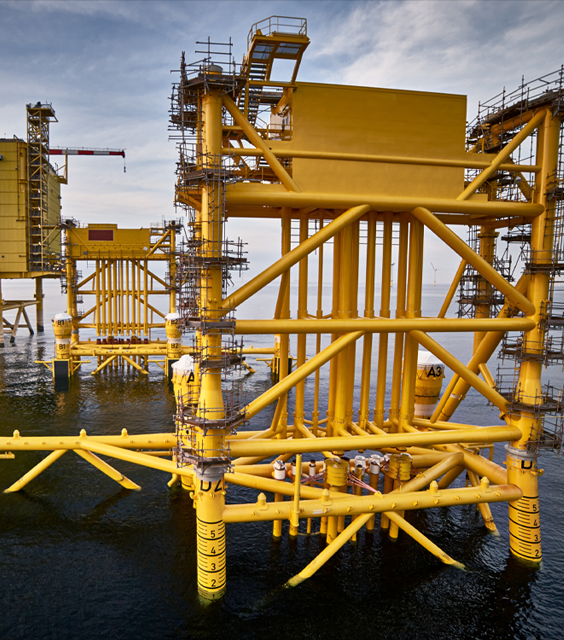
Across the lifecycle of an asset, marine contractors support a wide range of offshore activities. This includes the installation of new offshore platforms and subsea infrastructure, as well as the removal, replacement or upgrade of existing facilities.
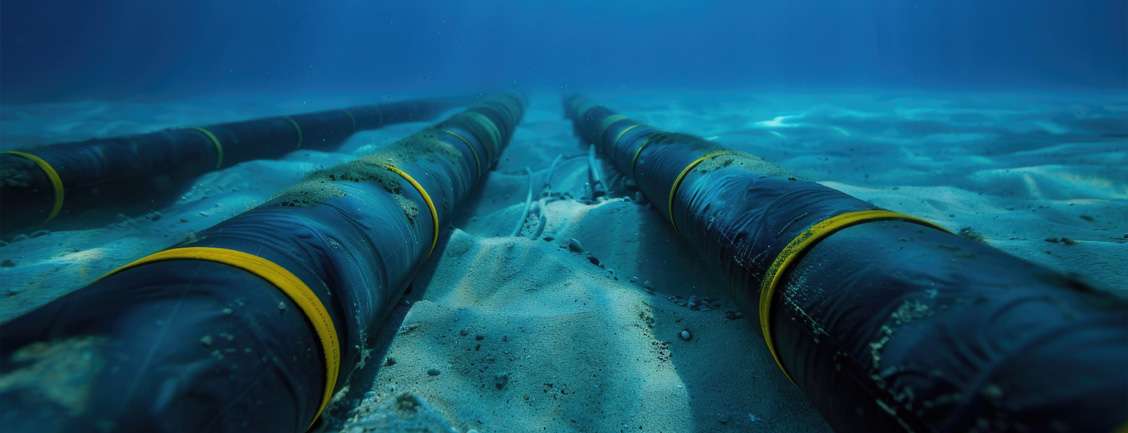
Typical scopes of work include transporting and installing jackets and topsides, laying subsea pipelines and cables, and carrying out offshore demolition and redevelopment programmes. In addition, marine contractors are often involved in early-stage activities, such as offshore surveys and site preparation, ensuring that projects are planned and executed efficiently and safely.
Challenges in offshore installation
Offshore operations are carried out in environments that are inherently complex and often unpredictable. Weather and sea conditions can directly impact scheduling and execution. For example, high winds or rough seas may prevent heavy-lift operations from taking place safely, while strong currents can affect the accuracy of subsea installation activities, such as pipelay. In some cases, vessels may need to suspend operations and wait for the weather to change, leading to delays and increased costs.
Installing large structures at sea requires precise engineering and coordination between offshore crews, vessels and onshore teams. Even small deviations in positioning or timing can have significant consequences when handling heavy components offshore.
Safety remains a constant priority, with strict procedures in place to manage risk throughout all activities. Projects are also influenced by local regulations, regional conditions, geopolitical factors and logistical constraints, particularly in remote locations where access to equipment, personnel or emergency support may be limited. Careful planning and disciplined execution are therefore essential to ensure safe and efficient delivery. Projects can also be influenced by evolving client requirements and operational priorities, requiring flexibility and responsiveness throughout execution.

The importance of collaboration
Offshore EPCI projects are rarely delivered by a single party. They require close coordination between clients, fabrication yards, marine contractors and specialist service providers, often across multiple locations and time zones.
Successful execution depends on how well these interfaces are managed. Engineering decisions made onshore must align with offshore installation requirements, fabrication schedules must match vessel availability, and all parties must work to a shared plan. When this alignment is achieved, projects run more efficiently and risks are significantly reduced. When it is not, even small disconnects can lead to delays, rework or safety concerns.
Working with experienced partners helps ensure that these complex interfaces are understood and managed effectively. It allows knowledge to be shared across engineering, marine operations and project delivery, supporting more consistent execution, while also creating opportunities to introduce new ideas, technologies and more efficient ways of working.
AMC’s role as a marine contractor
Marine contractors such as AMC play a central role in delivering offshore energy projects, bridging the gap between onshore fabrication and offshore installation. Through careful planning, specialised vessels and experienced teams, they ensure that complex infrastructure is installed safely, efficiently and in line with project requirements.
As offshore projects continue to grow in scale and technical complexity, the ability to integrate engineering, procurement and offshore execution becomes increasingly important. Marine contractors are no longer just executing scopes at sea; they are shaping how projects are delivered from the outset, helping to reduce risk, improve coordination and drive better outcomes across the full project lifecycle.
AMC in practice
At AMC, this approach is reflected in the planning and delivery of projects across the Middle East, India and Southeast Asia. By combining disciplined execution with experienced offshore teams, specialised vessels and strong collaboration across the project lifecycle, AMC delivers complex marine and subsea EPCI projects safely and reliably.
As the business continues to grow, AMC is focused on strengthening its operational capability, expanding its project footprint and building a delivery model that is both scalable and consistent. With a clear focus on execution, safety, and long-term partnerships, the company is well-positioned to support the next generation of offshore energy projects.